Bad Water Quality Regions
Many communities across Texas — and the U.S. — are unknowingly exposed to harmful water contaminants like lead, PFAS, and chlorine. Learn what’s common in your area and how to protect your family with help from Water Pure Texas.
Common Water Quality Issues Across Texas Regions
Tarrant County
Common Water Source:
Municipal water (e.g., Fort Worth Water Department)
Health Concerns:
- Hard water: Can dry skin and hair, and irritate conditions like eczema.
- Chlorine: Used as a disinfectant but linked to respiratory irritation and dry skin.
- Trihalomethanes (THMs): Byproducts of chlorine disinfection, potentially linked to cancer with long-term exposure.
- Reports of taste and odor issues from tap water affecting daily consumption.
Notable Mentions:
Fort Worth has previously detected trace pharmaceuticals in water.
Denton County
Common Water Source:
Mix of city water and private wells
Health Concerns:
- PFAS (forever chemicals): Detected in Denton-area water; linked to cancer, hormonal disruption, and immune suppression.
- Hard water: High levels of calcium/magnesium can clog pores, dry out skin, and affect water appliances.
- Well Water Risks: Elevated iron, sulfur, and possible coliform bacteria from unregulated private wells.
Notable Mentions:
Little Elm and rural Denton areas frequently lack filtration for these contaminants.
Collin County
Common Water Source:
Treated municipal water (North Texas Municipal Water District)
Health Concerns:
- Chloramines (chlorine + ammonia): Can irritate respiratory systems and are especially harmful to people with asthma or kidney conditions.
- PFAS contamination: EPA monitoring data shows elevated risks in parts of Frisco and McKinney.
- Disinfection byproducts: Long-term exposure may increase cancer risk.
- Hardness & Sediment: Can cause skin irritation and plumbing buildup.
Notable Mentions:
Boil water notices in the past due to line breaks and storm runoff.
Dallas County
Common Water Source:
Dallas Water Utilities (surface water from lakes)
Health Concerns:
- Aging infrastructure: Increases risk of lead or copper leaching into drinking water.
- High chlorine levels: May worsen asthma and eczema symptoms.
- Taste/odor complaints: May indicate presence of organic material or algae blooms.
- Risk of disinfection byproducts from heavy chlorination.
Notable Mentions:
Some schools in DISD have been tested for elevated lead levels in past years.
Johnson County
Common Water Source:
Mix of municipal systems and private wells
Health Concerns:
- Private wells may contain iron, manganese, hydrogen sulfide — leading to stomach irritation or discoloration in water.
- Coliform bacteria: Found in untreated or shallow wells; can cause GI illnesses.
- High sulfur content: Rotten egg smell, may aggravate asthma or sinus issues.
Notable Mentions:
Minimal public regulation on well water quality; homeowners are responsible for testing.
Ellis County
Common Water Source:
Mix of city water and well water
Health Concerns:
- Hard water: Scale buildup affects skin and hair health.
- Potential PFAS presence: Near industrial/agricultural runoff areas.
- Iron and manganese: Can affect taste and may stain appliances and fixtures; long-term exposure may irritate the stomach.
- Bacterial risks in rural wells: Especially in older or shallower systems.
Notable Mentions:
Waxahachie residents have reported rust-colored water, often tied to iron contamination.
Proudly Women-Owned
Manufactured in the USA
Natural Filtration Media
Veteran Owned
Water Contamination Is Often Regional — and Often Ignored
- Common Contaminants: Includes lead, PFAS, nitrates, and chlorine — all linked to long-term health concerns.
- Well Water Risks: Often untested, unregulated, and prone to bacteria, sediment, and mineral buildup.
- Aging Infrastructure: Many Texas city systems still rely on outdated pipes, increasing risk of chemical leaching.
- Inconsistent Oversight: Some regions receive limited water testing or delayed reports, leaving families unaware of real risks.

How Water Pure Texas Helps You Handle What’s in Your Water
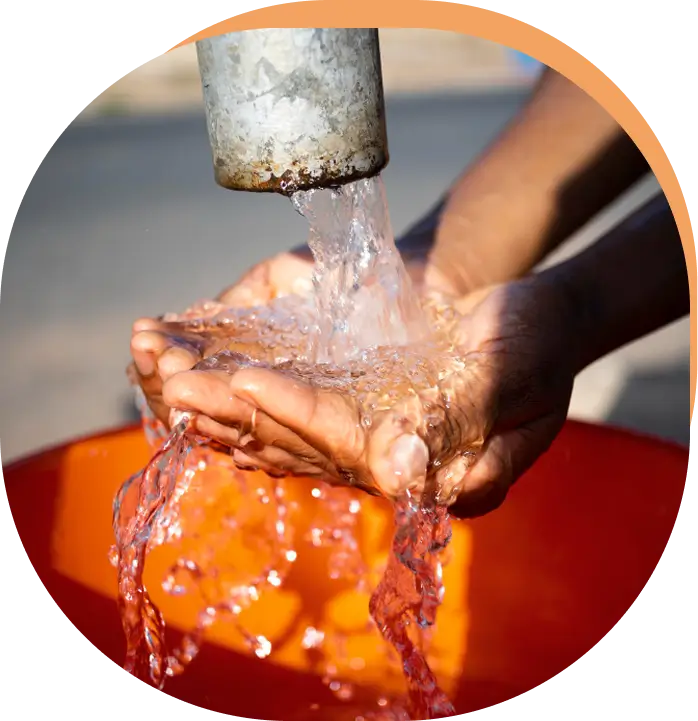
At Water Pure Texas, we don’t just highlight water problems — we help solve them. We start with a free professional water test to identify the exact issues in your area, from chlorine and lead to mineral buildup and bacteria. Then we design a custom treatment plan that fits your home, your water, and your health goals while reducing micro plastics and PFAS — no generic filters, no guesswork.
We’ve helped families across Texas get cleaner, safer water where it matters most — and we’re ready to help you, too.